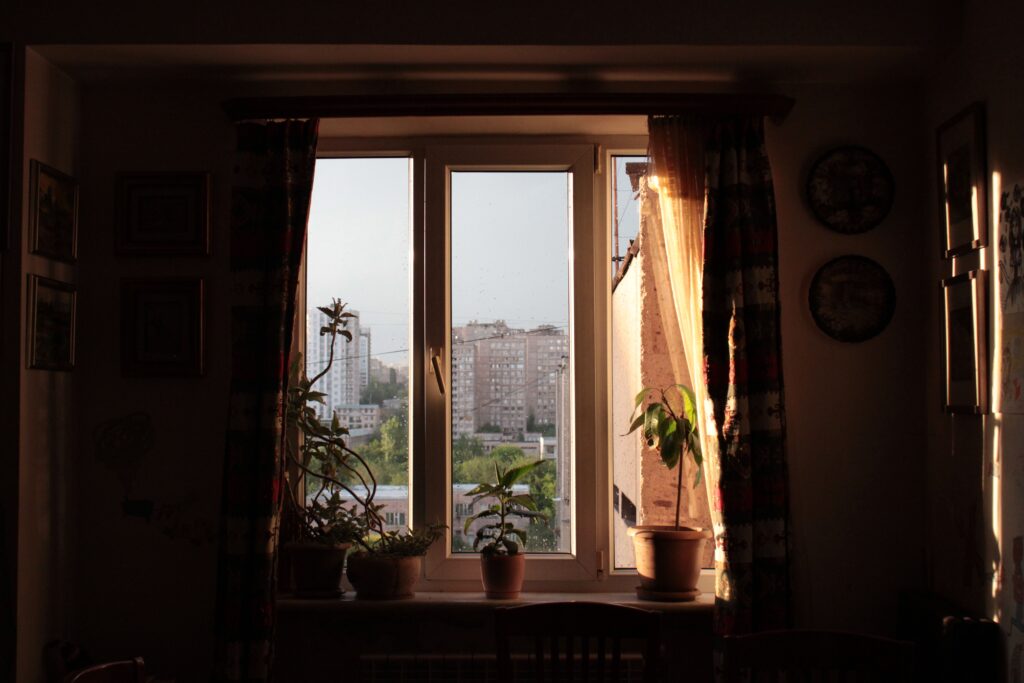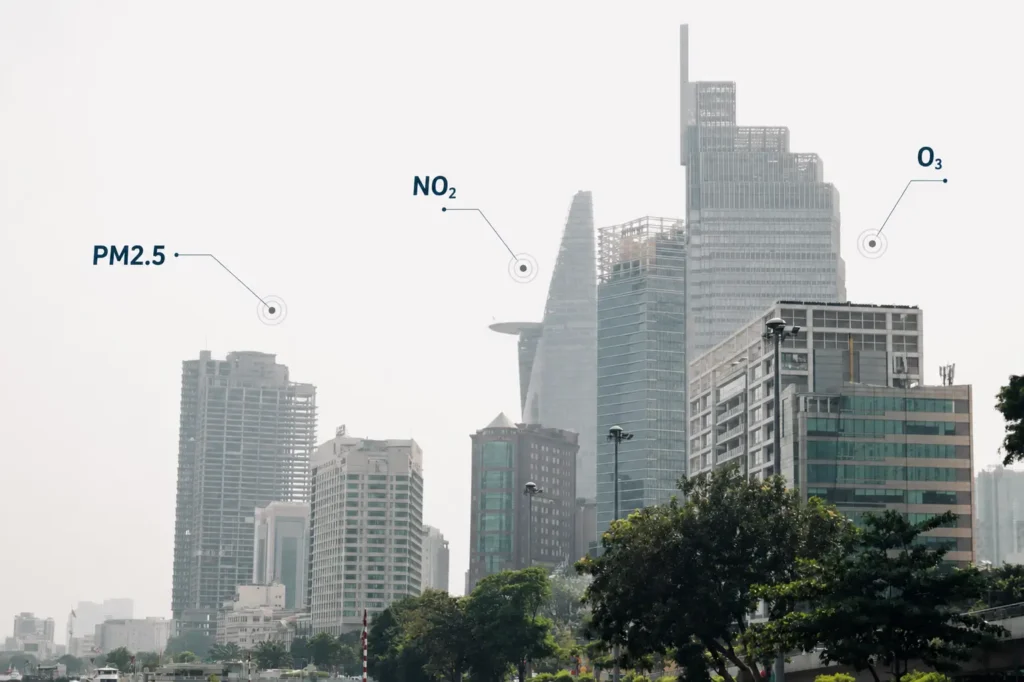

Many homes, apartments, offices, and commercial spaces look modern, expensive, and well-designed — yet people inside them often feel tired, distracted, uncomfortable, or dissatisfied.
A space can look impressive and still underperform in daily life.
This is one of the most overlooked problems in modern buildings, especially in fast-growing cities where visual upgrades often receive more attention than how a space actually feels and functions.
Design Is Visible. Performance Is Felt
People usually invest in what they can see:
- Better furniture
- New finishes
- Premium lighting
- Decorative materials
- Expensive air conditioners
- Stylish renovations
But the conditions that shape daily wellbeing are often invisible:
- Poor ventilation
- Stale indoor air
- Excess humidity
- Hidden odors
- Uneven temperature
- Noise stress
- Low natural recovery comfort
These issues may seem small at first, but over time they affect comfort, focus, sleep quality, and overall wellbeing.
“A beautiful room means little if people don’t feel well inside it.”
— PVHC Team
Why This Happens So Often
Many projects are designed around three priorities:
- Appearance
- Budget
- Speed of completion
What often gets missed is long-term indoor performance.
For example:
- Rooms with strong cooling but poor fresh air supply
- Bathrooms that look premium but trap odor and moisture
- Offices with modern interiors but tiring airflow and noise
- Homes with expensive furniture but hidden chemical smells
- Bedrooms that appear calm but disrupt sleep comfort
The result is a space that photographs well, but does not support real life.
What People Usually Feel First
Most people do not say:
“My indoor environment is underperforming.”
They simply say:
- I feel tired at home
- This room feels stuffy
- Why does the bathroom smell again?
- I keep coughing in the office
- The room is cold but not comfortable
- Something feels off here
These are often signals worth paying attention to.
Before Buying More Products
A common mistake is solving symptoms with more products:
- Another fan
- A larger air conditioner
- Stronger fragrance
- More cleaning chemicals
- Random water filters
Sometimes the real issue is not the product count — it is the wrong diagnosis.
Better results usually start with understanding the real cause first.
What Actually Matters
Healthier and better-performing spaces often depend on fundamentals:
- Clean air and proper ventilation
- Balanced temperature and humidity
- Moisture control
- Reduced noise stress
- Cleaner water confidence
- Practical daily usability
When these foundations improve, comfort often improves naturally.
Final Thought
Luxury is not only how a space looks.
True quality is how people feel living and working inside it every day.
If a space looks great but feels wrong, it may be time to assess performance — not just appearance.