1. The Bedroom Paradox: 8 Hours of Sleep, Yet Still Waking Up Exhausted
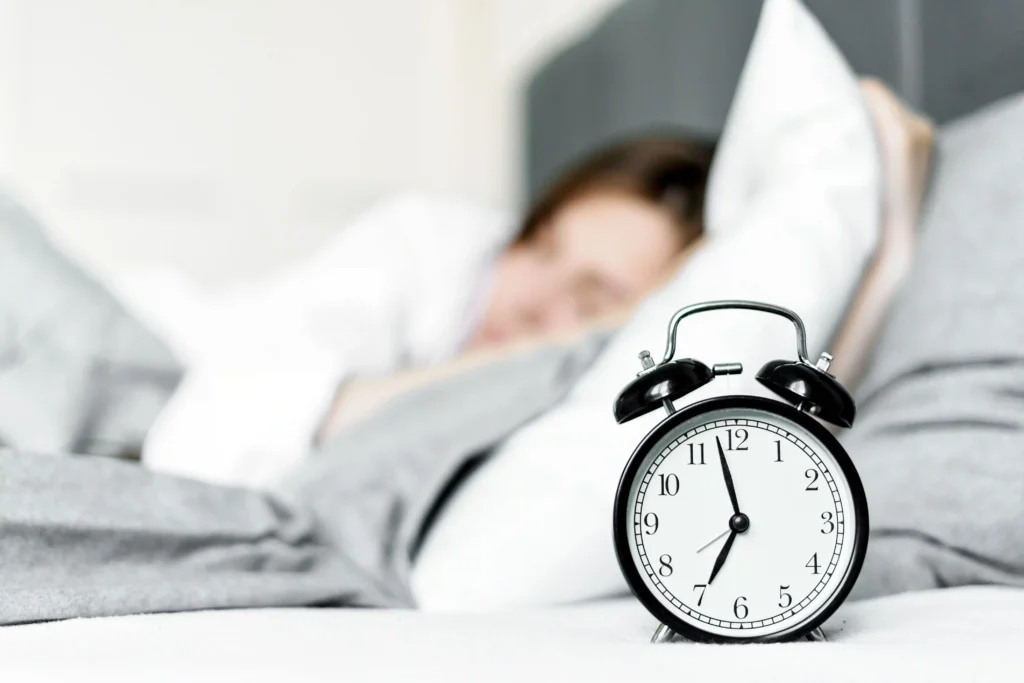
Have you ever wondered why, after sleeping 8 full hours in an air-conditioned bedroom with an air purifier running continuously, you still wake up feeling lethargic, heavy-headed, and experiencing throat dryness? Most people quickly attribute this to “poor health,” fatigue, or personal stress.
However, consider a common experience: When staying at a seaside or mountain resort, even with fewer hours of sleep, you naturally wake up early feeling refreshed and energized. The primary difference is simple: The biological quality of fresh, oxygen-rich air you breathe throughout the night.
2. Common Misconceptions: “Air Conditioning Equals Ventilation”
Most households rely on two fundamental building science misconceptions:
- Air Conditioners Only Recirculate Stale Air: Standard split air conditioners merely recirculate and cool the existing air within the room. They do not introduce fresh outdoor oxygen nor do they exhaust accumulated CO2.
- Air Purifiers Do Not Produce Oxygen: Portable air purifiers capture particulate matter (PM2.5) via mechanical filters. They cannot reduce CO2 levels or neutralize gaseous toxic accumulation.
- Cracking Open a Door Is Ineffective: Cracking a door or window creates uncontrolled, passive air infiltration—insufficient to dilute pollutants while introducing noise, dust, and energy loss.
3. Invisible Nighttime Contaminants in Sealed Bedrooms
Inside a sealed bedroom over an 8-hour period, chemical off-gassing and biological respiration create an invisible pollution trap:
- The CO2 Spike & Cognitive Fatigue: Respiration from occupants continuously generates CO2. In a closed bedroom, CO2 levels rapidly surge from outdoor baseline (~400 ppm) to 2,000 – 3,500+ ppm by midnight. High CO2 deprives the brain of adequate oxygen, causing restless sleep, morning headaches, and mild hypoxia.
- Off-Gassing Toxins (HCHO & TVOCs): Engineered wood furniture, mattresses, textiles, and wall paints continuously emit Formaldehyde (HCHO) and Total Volatile Organic Compounds (TVOCs). Children, whose respiration rates are 1.5 times faster than adults, are especially vulnerable to these off-gassing chemicals in poorly ventilated spaces.
4. Bedroom IEQ Engineering Solutions by PVHC Indoor Air Solution
To replicate resort-grade air quality in your home bedroom, PVHC Indoor Air Solution applies advanced Indoor Environmental Quality (IEQ) engineering tailored for residential living:
- Oxygen-Rich Fresh Air Integration: Delivering continuous, pre-conditioned (temperature and humidity balanced) outdoor fresh air directly into the bedroom without overloading the existing cooling system.
- Multi-Stage Filtration & Positive Pressure Ingress Protection: Incoming fresh air is multi-stage purified to eliminate PM2.5, allergens, and gaseous pollutants.
- Active Contaminant Flushing: Maintaining slight positive indoor pressure to continuously flush out accumulated CO2, Formaldehyde (HCHO), and toxic off-gassing, creating a pure and completely safe sleep environment for children.
Scientific References
- American Academy of Sleep Medicine (AASM). The impact of indoor air quality and ventilation rate on sleep quality and next-day performance.
- Technical University of Denmark (DTU) – International Centre for Indoor Environment and Energy. Effects of Bedroom Air Quality on Sleep and Next-Day Cognitive Performance.
- World Health Organization (WHO). WHO guidelines for indoor air quality: selected pollutants (Formaldehyde, CO2).