
1. Air Infiltration & The Indoor “Pollution Trap”
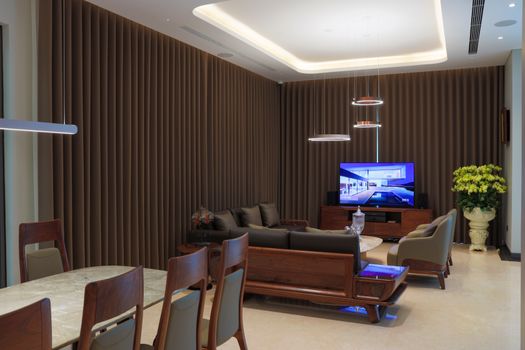
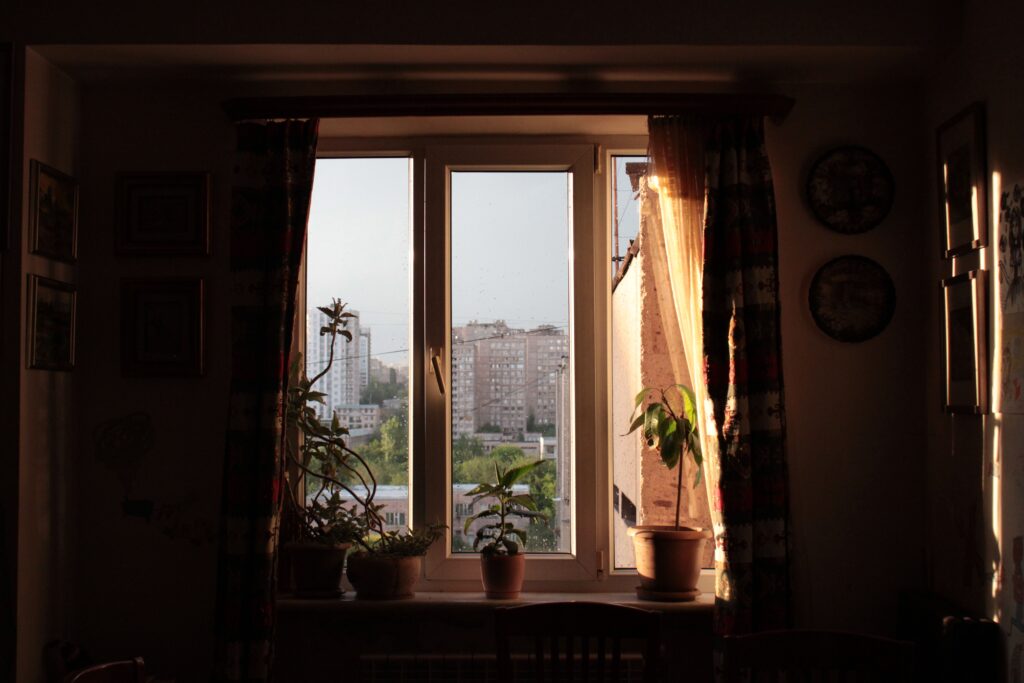
Closing windows and doors does not completely block outdoor pollution. Due to temperature differentials, pressure gradients, and structural gaps, uncontrolled air infiltration occurs continuously.
Without active fresh air ventilation, an enclosed indoor space becomes a “pollution trap”: Outdoor particulate matter infiltrates inside while indoor-generated CO2 and TVOC toxins accumulate, deteriorating overall indoor air quality.
2. Scientific Evidence: Toxicity of Ultrafine Particles (PM0.1) & Heavy Metals
Standard air quality monitors only measure PM2.5 mass concentration (µg/m³). However, particle mass alone does not reflect biological toxicity and health risks.
A study published in Environmental Research (Sotty et al., 2019) demonstrates that Ultrafine Particles (PM0.1) exhibit significantly higher toxicity compared to fine particles (PM2.5):
- Heavy Metal Enrichment: The ultrafine fraction (PM0.1, primarily from vehicle exhaust and industrial combustion) is enriched with highly toxic elements, including Arsenic (As), Nickel (Ni), Lead (Pb), Vanadium (V), Cobalt (Co), and Chromium (Cr).
- Deep Biological Penetration: Due to their nanometric size (<0.1 µm), PM0.1 particles bypass upper respiratory defenses, cross the alveolar-capillary membrane, and enter directly into the bloodstream.
- Inflammation & Epigenetic Changes: Exposure to PM0.1 triggers strong pro-inflammatory responses and epigenetic alterations. Vulnerable populations with pre-existing conditions (such as Asthma or COPD) experience severe cellular damage.
Conclusion: Two environments with identical PM2.5 mass levels can pose vastly different health risks depending on particle size distribution (PM0.1) and toxic chemical composition.
3. Engineering Approach by PVHC Indoor Air Solution
Grounded in building physics and IAQ standards, PVHC Indoor Air Solution addresses outdoor pollution infiltration through an integrated engineering system:
- Positive Pressure Control: Maintains higher indoor air pressure relative to the outdoors, actively preventing unfiltered infiltration of PM0.1 and PM2.5 through structural gaps.
- Multi-stage Filtration (HEPA H13/H14): Effectively captures ultrafine particles (0.1 – 0.3 µm) enriched with toxic metals before introducing clean air indoors.
- Energy Recovery Ventilation (ERV): Continuously dilutes indoor CO2 and chemical pollutants with pre-conditioned, purified outdoor air while maintaining energy efficiency.
Scientific References
- Sotty, F., et al. (2019). Chemical and toxicological characterization of ambient fine (PM2.5) and ultrafine (PM0.1) particulate matter. Environmental Research, 179, 108767.
- World Health Organization – WHO (2021). Global Air Quality Guidelines: Particulate matter (PM2.5 and PM10), ozone, nitrogen dioxide, sulfur dioxide and carbon monoxide.
- ASHRAE Standard 62.1 & 62.2. Ventilation for Acceptable Indoor Air Quality.